
Board Certified Behavior Analysts in Push-In Classrooms – A Complete Guide
Board Certified Behavior Analysts in Push-In Classrooms aim to provide education to all students together, regardless of abilities. Pushing classrooms, where support comes to the student in the general education setting, allows Board Certified Behaviour Analysts (BCBAs) to provide real-time intervention and guidance. BCBAs in this model ensure that students with behavioural or learning challenges can succeed without leaving the mainstream environment. Apply Now.
Understanding Board Certified Behavior Analysts in Push-In Classrooms
Definition and Purpose
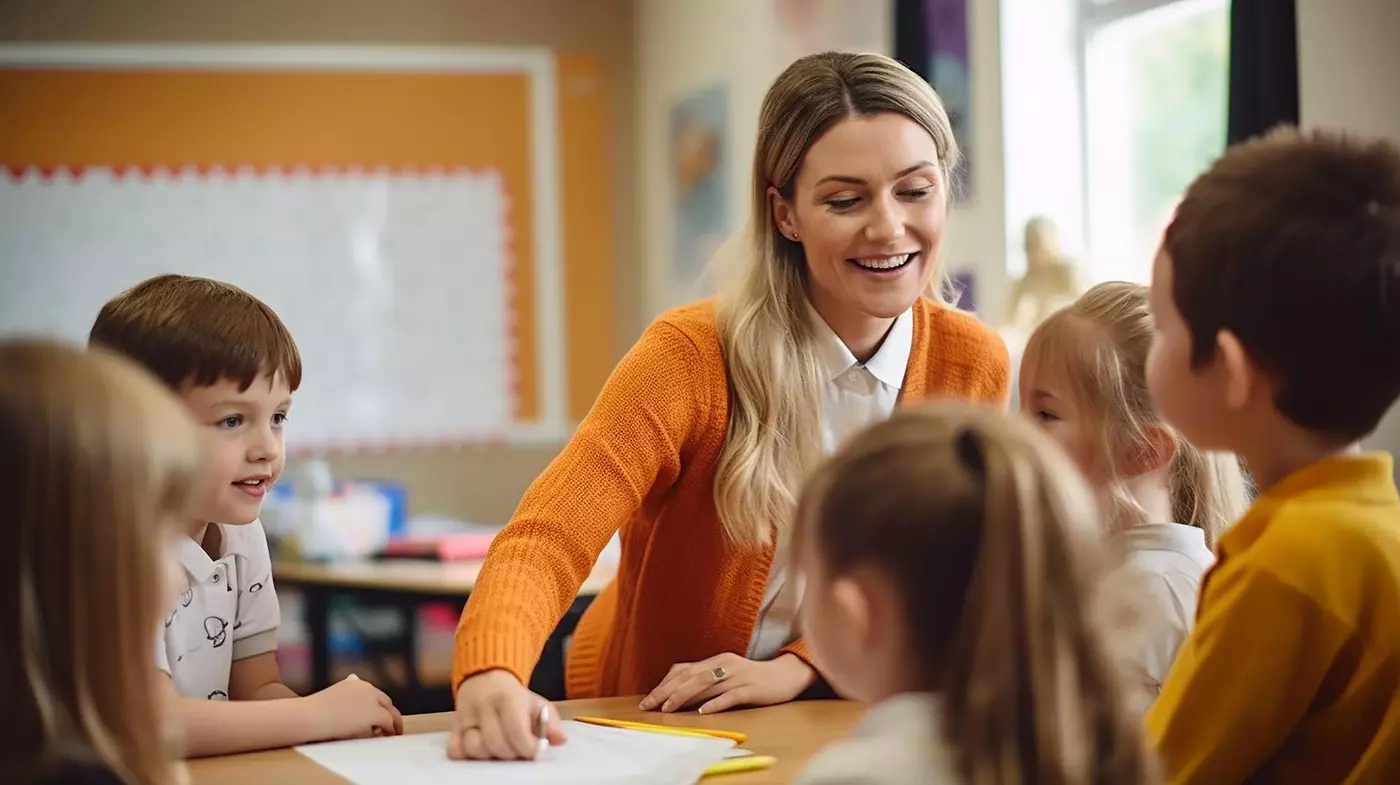
A Board Certified Behavior Analysts in Push-In Classrooms entering the general classroom to support students directly. Unlike pullout sessions, students remain in their regular environment while receiving individualised attention, behaviour guidance, and skill-building support. Read More Articles.
Difference Between Pullout and Pushing Models
- Pullout: Students leave the classroom for targeted instruction.
- Pushing: The support comes to the student inside the classroom, promoting inclusion while addressing needs in real time.
The Role of a Board Certified Behavior Analysts in Push-In Classrooms
In-Class Support for Students
Board Certified Behavior Analysts in Push-In Classrooms observe students’ behaviours, provide prompts, and deliver reinforcement while lessons are in progress, ensuring that learning continues without interruption.
Behavior Management and Skill Development
They address challenging behaviours immediately, teach replacement skills, and model appropriate social behaviours to students.
Collaboration with General Education Teachers
Board Certified Behavior Analysts in Push-In Classrooms work alongside teachers to implement strategies seamlessly, ensuring interventions align with classroom goals. See More
Benefits of BCBA-Led Pushing Classrooms
Individualized Attention Within Mainstream Class
Students receive targeted support without being removed from peers, promoting inclusion and social interaction.
Real-Time Intervention and Guidance
Board Certified Behavior Analysts in Push-In Classrooms can address behaviours and learning challenges as they occur, making interventions more effective.
Promoting Inclusion Without Separation
This model allows students to participate fully in general education while still receiving the specialised support they need.
Challenges in Pushing Classroom Models
Managing Multiple Students with Different Needs
Board Certified Behavior Analysts in Push-In Classrooms may need to support several students simultaneously, requiring strategic prioritisation and multitasking.
Classroom Dynamics and Distractions
Providing individualised support in an active classroom demands flexibility and strong classroom management skills.
Balancing Curriculum Demands
Board Certified Behavior Analysts in Push-In Classrooms must ensure interventions do not disrupt the flow of lessons or interfere with overall academic goals.
Assessment and Data Collection in Pushing Classrooms
Observational Data Collection
Real-time observations allow BCBAs to track behaviours and skills as they occur naturally.
Functional Behavior Assessments (FBA) in Real Time
In-class assessments provide accurate insight into behaviour triggers and effective interventions.
Adjusting Strategies Based on Ongoing Data
Continuous data collection allows Board Certified Behavior Analysts in Push-In Classrooms to modify support strategies immediately, ensuring optimal outcomes.
Behavior Intervention Plans (BIP) Implementation
Integrating BIPs Into Daily Classroom Activities
BIPs are applied in context, ensuring that interventions are practical and relevant to academic and social tasks.
Monitoring Progress Without Interrupting Class Flow
Board Certified Behavior Analysts in Push-In Classrooms balance data collection and intervention implementation to maintain the classroom environment.
Coordinating With Teachers and Support Staff
Collaboration ensures consistency and enhances the effectiveness of interventions.
Applied Behavior Analysis (ABA) Techniques in Pushing Classrooms
Natural Environment Teaching (NET)
Skills are taught and reinforced in the natural classroom setting, increasing generalisation.
Positive Behavior Support (PBS)
Prevention-focused strategies reduce problem behaviours while promoting positive alternatives.
Prompting and Reinforcement in Real Time
Immediate feedback helps students learn and maintain appropriate behaviours effectively.
Training and Supporting Classroom Staff
Coaching Teachers on Behavioral Strategies
BCBAs guide implementing strategies that can benefit all students in the classroom.
Maintaining Consistency Across Students
Consistent application of behavioural interventions ensures that students benefit fully from support.
Encouraging Inclusive Practices
Teachers learn to integrate ABA principles into daily routines, creating a more inclusive environment for everyone.
Incorporating Technology
Mobile Data Collection Tools
Apps streamline recording behaviours, interventions, and progress directly in the classroom.
Communication Supports for Students
Assistive communication devices enhance participation and independence.
Adaptive Learning Apps for Skill Building
Interactive apps help reinforce academic and behavioural skills.
Behavior Management Strategies
Reinforcement and Motivational Systems
BCBAs implement positive reinforcement to encourage desired behaviours in real time.
Managing Challenging Behaviors on the Spot
Immediate intervention prevents escalation and supports learning.
Teaching Social Skills Within Group Activities
BCBAs model and reinforce appropriate social interactions during classroom activities.
Parental and Caregiver Involvement
Collaboration on Real-Time Strategies
Parents are informed about classroom interventions to reinforce strategies at home.
Reinforcing Skills at Home
Consistency between home and school maximizes skill acquisition.
Providing Updates on Classroom Progress
Regular communication ensures families are engaged and informed about student growth.
Legal and Ethical Considerations
Compliance with IDEA and ADA
Classroom support must adhere to federal laws protecting students with disabilities.
Maintaining Confidentiality
Student information is handled securely to protect privacy.
Ethical Guidelines for In-Class Behavior Support
BCBAs follow professional codes to ensure interventions are safe, ethical, and respectful.
Impact on Students
Academic and Behavioral Improvements
Real-time support improves both learning outcomes and behavioural skills.
Social Development in Inclusive Settings
Students build social confidence while learning appropriate peer interactions.
Long-Term Generalization of Skills
Skills taught in the classroom carry over into other environments, fostering independence.
FAQs
- What is a push-in classroom?
A classroom where a BCBA provides in-class support to students without removing them from the general education setting. - How does a BCBA help in pushing classrooms?
They implement behavior interventions, teach skills, collect data, and provide real-time guidance. - What are the benefits of the pushing model?
Students receive individualized support while staying included with peers, promoting both academic and social growth. - How do BCBAs handle challenging behaviors in class?
They use evidence-based ABA strategies, positive reinforcement, and real-time interventions to address issues effectively. - Can parents support pushing classroom interventions?
Yes, by reinforcing strategies at home and collaborating with teachers and BCBAs.
Comments (…)